Applying for a personal loan can be a pivotal financial decision with wide-ranging implications for your budget and future goals. Whether it’s for consolidating debt, financing a home improvement project, or covering unexpected expenses, understanding the intricacies involved will guide you in making an informed choice. This article seeks to provide you with insights and considerations to ensure that your journey into securing a personal loan is both beneficial and strategically sound.
Understanding the Basics of Personal Loans
When considering What to Know Before Applying for a Personal Loan, it is essential to first grasp the rudimentary components such as interest rates, loan terms, and fees. Personal loans typically carry fixed interest rates, meaning your monthly payment remains constant throughout the life of the loan. This can be advantageous for budgeting and planning. Additionally, loans usually range from two to five years, but lenders offer varying options based on your creditworthiness.




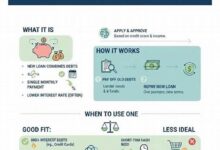

Beyond interest rates and terms, each lender may impose additional fees such as origination fees, late payment charges, or prepayment penalties. These can significantly influence the total cost of your loan. It’s crucial to read the fine print and perhaps consult with a financial advisor to understand these terms thoroughly. This foundational knowledge equips you to compare different loan offers competently.
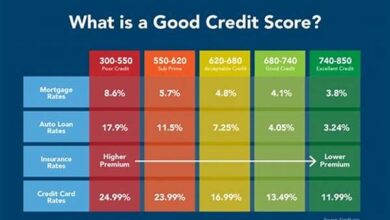
Lastly, recognize that lenders will scrutinize your credit history and financial stability. A strong credit score not only increases your chances of approval but can also secure you lower interest rates. Before applying, check your credit report for accuracy and work on any discrepancies. A proactive approach will lay the groundwork for a smoother application process.
Key Considerations Before Applying
1. Credit Score Importance: A pivotal part of What to Know Before Applying for a Personal Loan is your credit score. A higher score paves the way for better interest rates and terms.
2. Interest Rates Comparison: Research various lenders to find competitive rates. Small differences can save you substantial money over time.
3. Loan Purpose Clarity: Clearly define why you need the loan. Whether it’s for debt consolidation or an emergency, having a purpose will guide your decision.
4. Repayment Terms Understanding: Be sure to fully understand the loan terms, including repayment schedules and any penalties for early payments.
5. Lender Reputation: Investigate the reputation and credibility of potential lenders. Reliable lenders are transparent about their terms and fees.
Importance of Comparing Loan Offers
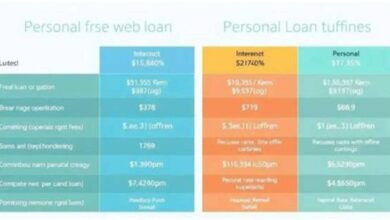
What to Know Before Applying for a Personal Loan extends to comprehensively comparing different loan offers. Though it might be tempting to go with the first appealing offer, diligently examining multiple lenders can yield better outcomes. Start by requesting quotes from at least three different lenders, paying keen attention to interest rates, loan terms, and fees associated.
Careful comparison is critical, especially when examining the annual percentage rates (APR), which include both the interest rate and any fees. The APR presents a clearer picture of the actual cost of the loan over its lifespan. Ensure that you also review any special promotions or discounts lenders may offer—sometimes, they may provide benefits such as a rate reduction for direct payment setups.
Besides, utilize online calculators to model your monthly repayment options under various scenarios. These tools can illustrate how different interest rates and loan terms affect your budget. This methodical approach not only helps you find the most economic option but also reinforces a disciplined financial practice.
Common Misconceptions About Personal Loans
Dispelling misconceptions is a vital part of What to Know Before Applying for a Personal Loan. Many assume that personal loans are only for those with sterling credit histories. While good credit is beneficial, people with lower scores can still secure loans; they might just face higher interest rates or stricter terms.
Another misconception is that loan approval is guaranteed with income alone. In reality, lenders evaluate multiple factors, including credit history and debt-to-income ratio. Additionally, some consumers believe that applying for multiple loans will not impact their credit score. However, numerous hard inquiries within a short timeframe can indeed lower your score.
Borrowers often overlook the potential costs of interest over the loan’s term. Ensure you’re aware of how fixed vs. variable rates will impact your long-term picture. Understanding these facets will enable a realistic view of whether a personal loan is right for your situation.
Steps to Improve Your Loan Application
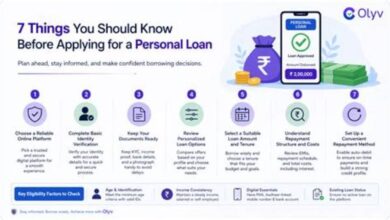
Improving your application is a proactive part of What to Know Before Applying for a Personal Loan. Here are ten essential steps:
1. Check Credit Reports: Ensure they are accurate and dispute any discrepancies.
2. Pay Down Existing Debt: Reducing your debt-to-income ratio can enhance your appeal to lenders.
3. Increase Income Sources: Demonstrating regular, stable income can reassure the lender of your repayment capability.
4. Organize Financial Documents: Have last pay stubs, tax returns, and bank statements ready for scrutiny.
5. Improve Work History: Stability in employment history boosts confidence in your ability to repay.
6. Engage a Financial Advisor: They can provide personalized insights into your financial standing.
7. Limit New Credit Applications: Each application temporarily lowers your credit score.
8. Review Lender Requirements: Understand eligibility criteria of various lenders to select where to apply.
9. Consider a Co-signer: If your credit is limited or less favorable, a co-signer can improve your chances.
10. Create a Repayment Strategy: Presenting a detailed plan to lenders can make a strong application impression.
Influential Factors in Loan Approval
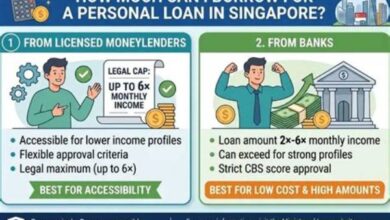
Understanding the factors influencing loan approval is paramount in What to Know Before Applying for a Personal Loan. Lenders assess criteria such as your credit score, which reflects historical payment behavior, indicative of future repayment reliability. Additionally, your income and employment status weigh heavily, as steady income demonstrates repayment ability.
DTI, or debt-to-income ratio, is another pivotal factor. Lower ratios are preferred as they suggest you have adequate income to meet both existing and new debt obligations. Collateral may not be required for unsecured personal loans, but having assets can sometimes augment your application’s strength.
A lender’s evaluation isn’t limited to numbers. They also review your overall credit profile for patterns of responsible behavior like timely payments or maintaining low credit card balances. By understanding these parameters, applicants can tailor their applications, enhancing the likelihood of approval.
Summary
In conclusion, What to Know Before Applying for a Personal Loan encompasses understanding basics like interest rates and credit scores, comparing offers, and dispelling common misconceptions. Informed borrowers are more likely to secure favorable terms. Taking proactive steps, such as checking credit reports and assessing lenders’ credibility, can fundamentally alter your experience.
Approaching personal loans with clear purpose and a realistic repayment plan is crucial for financial health. By thoroughly preparing and engaging in informed comparisons, you place yourself in a position to capitalize on available opportunities, securing a personal loan that aligns well with your financial objectives and capabilities. This approach ensures that leveraging a personal loan serves as a prudent decision rather than a financial hindrance.