Navigating through financial challenges can be a daunting task, especially when juggling multiple debts. Debt consolidation loans have emerged as a popular solution for those looking to streamline their financial commitments. Whether you’re overwhelmed by credit card bills or various personal loans, understanding debt consolidation loans is crucial. As we delve into Debt Consolidation Loans: How They Work and What to Consider, we aim to provide comprehensive insights that empower you to make informed decisions beneficial to your financial health.
What Are Debt Consolidation Loans?
Debt consolidation loans are financial products designed to combine multiple debts into a single, more manageable payment. These loans can be secured or unsecured, depending on whether they require collateral, such as a home or other asset. The primary objective is to reduce the stress of managing multiple debts by merging them into one, often at a lower interest rate.





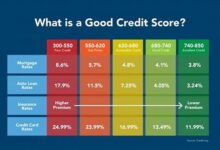
When contemplating Debt Consolidation Loans: How They Work and What to Consider, one must evaluate the interest rates carefully. Typically, these loans can offer better rates than credit cards, particularly if you have a strong credit score. This means potentially reducing monthly payments and incurring less interest over time. It’s crucial to calculate the total cost of the loan over its lifespan and ensure the savings justify the loan’s setup and origin fees. Understanding the type of debt you have is equally essential. For example, if the bulk of your debt is high-interest credit card debt, a consolidation loan may significantly alleviate financial strain. However, consolidating federal student loans with private loans could result in losing certain protections, demonstrating the importance of thorough consideration.
Benefits of Debt Consolidation Loans
1. Simplified Payments: By combining several loans into one, you streamline your payments, making them easier to manage. Debt Consolidation Loans: How They Work and What to Consider involves understanding this crucial benefit.
2. Improved Interest Rates: Often, consolidation loans come with lower interest rates, especially beneficial for those with high-interest debt like credit cards.
3. Boosted Credit Score: Timely payments on your consolidated loans can enhance your credit score by reducing your credit utilization ratio.
4. Predictable Payments: Fixed payments provide a predictable monthly schedule which aids in personal budgeting.
5. Reduce Stress: With fewer bills to track, your financial management becomes simpler, reducing stress significantly.
Key Considerations Before Choosing a Debt Consolidation Loan
When deciding on Debt Consolidation Loans: How They Work and What to Consider, it’s vital to assess a few pivotal factors. Firstly, scrutinize the interest rates and compare them with your current debts. The aim is to lower your overall interest costs, so ensure the new rate is favorable. Additionally, consider the loan terms. While longer terms often translate to lower monthly payments, they might increase the total interest paid over time. Look into the fees associated with securing a consolidation loan. Being aware of any origination fees, account maintenance costs, or prepayment penalties is crucial to accurately assess the loan’s actual cost. Importantly, your credit score will play a significant role in the rates you’re offered. If you’re proactive in understanding your score and possibly improving it before applying, it could lead to more favorable loan terms. Lastly, choose a reputable lender. Research and reviews are helpful in choosing an institution or lender known for transparent practices and beneficial customer service, ensuring that you have a support system throughout the lifespan of your loan.
Common Mistakes in Debt Consolidation
Understanding Debt Consolidation Loans: How They Work and What to Consider involves being aware of potential pitfalls. Here are ten common mistakes to avoid:
How to Apply for a Debt Consolidation Loan
Applying for a debt consolidation loan involves a few strategic steps. Firstly, gather detailed information about your current debts, including interest rates and outstanding balances. Understanding these details is fundamental when exploring Debt Consolidation Loans: How They Work and What to Consider. You then compare loan offers from various lenders, focusing heavily on interest rates, terms, and any fees. Prequalification can be an insightful step, allowing you to gauge rates you might qualify for without affecting your credit score. After selecting a suitable loan, ensure that you compile all necessary documentation, such as identification, income verification, and financial statements. Applying effectively involves communicating clearly with the lender to ensure all information is accurate and up-to-date. Once approved, it’s imperative to use the funds strictly for consolidating your debts and avoid incurring new debts to allow the strategy to work effectively.
Alternatives to Debt Consolidation Loans
While Debt Consolidation Loans: How They Work and What to Consider is fundamental, exploring alternatives can also be beneficial. Debt management plans, for instance, allow a credit counseling agency to negotiate with creditors for reduced interest rates. Balance transfer credit cards offer promotional low interest on transferred balances for a set period, useful for those with disciplined repayment plans. Personal budgeting and financial counseling are crucial steps in managing debt more effectively. Sometimes renegotiating with creditors for better terms on your current debts can provide relief. Each of these alternatives should be weighed against consolidation loans based on your personal financial situation and goals, ensuring you’re choosing the best path to full financial recovery.
Conclusion
Debt Consolidation Loans: How They Work and What to Consider involves a strategic evaluation of financial products designed to simplify debt repayment and reduce financial strain. The potential benefits are significant, offering simplified payments and lowered interest rates, among others. However, the decision to consolidate debts isn’t a one-size-fits-all solution and requires a careful examination of personal financial situations and long-term repayment goals. Various factors, including the interest rate, loan term, and additional fees, need thorough analysis. Exploring alternatives and considering professional financial advice can also be instrumental. Ultimately, whether you aim for debt consolidation or choose another financial strategy, understanding the nuances of available options ensures sound financial decisions and a clearer path toward financial stability.