Navigating the world of personal finance often presents the critical decision of choosing between a personal loan and a credit card for funding. Both financial instruments offer unique advantages and potential downsides, depending on your individual financial situation and goals. Understanding the differences in cost, terms, and long-term impact is essential for making an informed decision. In this article, we explore the question: Personal Loan vs. Credit Card: Which Option Costs Less? We’ll delve into the intricacies of interest rates, fees, repayment terms, and the overall impact on your financial health.
Understanding Interest Rates and Fees
When considering a Personal Loan vs. Credit Card: Which Option Costs Less?, interest rates and fees play a pivotal role. Personal loans typically come with fixed interest rates that may be lower than those of credit cards, particularly if you have a solid credit score. This predictability can be advantageous for budgeting, as you know the exact amount you need to repay each month.




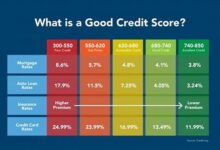
Conversely, credit cards often feature variable interest rates, which can fluctuate, leading to unpredictability in monthly payments. While some credit cards offer introductory 0% APR periods, interest rates can soar once these periods end, potentially making them more expensive if balances aren’t paid off quickly. Additionally, credit cards may come with annual fees, late payment fees, and over-limit fees, all of which can increase the overall cost.
When deciding between a personal loan and a credit card, carefully examine the interest rates and fees associated with each option. The answer to Personal Loan vs. Credit Card: Which Option Costs Less? can significantly depend on these factors, with personal loans often emerging as the more cost-effective choice over time.
Key Factors to Consider
1. Purpose of Funds: Whether you need funds for a specific purchase or ongoing expenses can affect your choice in the Personal Loan vs. Credit Card: Which Option Costs Less? debate.
2. Repayment Terms: Personal loans offer fixed terms, while credit cards offer flexibility but potential for higher long-term costs.
3. Credit Score Impact: Personal loans can improve your credit mix, whereas high credit card balances can negatively impact your score.
4. Borrowing Amount: Larger sums may be better suited to personal loans, given typically lower interest rates and fees compared to credit cards.
5. Budgeting Needs: Fixed repayment amounts through personal loans can aid in more effective budgeting compared to potentially varying credit card payments.
Comparing Flexibility and Repayment Terms
Another crucial aspect of Personal Loan vs. Credit Card: Which Option Costs Less? is the flexibility and repayment terms each option provides. Personal loans often come with predetermined repayment schedules, allowing you to know precisely when you’ll be debt-free. This can help in effective budgeting and financial planning, especially if you prefer a disciplined repayment structure.
Credit cards, however, offer more flexibility in terms of payments. While you can pay as little as the minimum amount due each month, this flexibility can lead to debt spiraling if not managed carefully. Interest accrues on any balance not paid in full, potentially increasing the overall cost of the borrowed amount substantially over time.
For those who require structured repayment plans and prioritize predictable costs, personal loans may prove to be more advantageous. In contrast, if you value payment flexibility and are confident in your ability to manage revolving credit, credit cards could offer the versatility you need. Nonetheless, when it comes to Personal Loan vs. Credit Card: Which Option Costs Less?, your repayment habits will significantly affect the total cost incurred.
Assessing Long-Term Financial Impact
In the long-term assessment of Personal Loan vs. Credit Card: Which Option Costs Less?, several factors come into play, influencing your financial landscape for years. Evaluating how each financial tool affects your credit score is paramount. Personal loans can contribute positively to your credit profile by diversifying your credit mix and demonstrating capability in managing installment debt.
1. Interest Rate Variability: Credit cards come with variable interest rates post-promotional periods, whereas personal loans offer fixed rates.
2. Credit Utilization Impact: Credit cards directly affect your credit utilization ratio, critical for maintaining a healthy credit score.
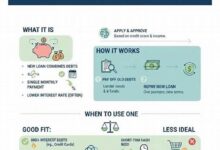
3. Consolidation Benefits: Personal loans can be used to consolidate high-interest credit card debt, reducing overall interest payments.
4. Debt Management: Personal loans offer a clear path to debt elimination, contrary to revolving credit which may perpetuate debt cycles.
5. Initial Application: Credit card applications may offer immediate credit approval, whereas personal loans can involve more rigorous approval processes.
6. Payment Consistency: Personal loans encourage regular, consistent payments, providing a structured path to debt clearance.
7. Borrowing Costs: Evaluate APRs and potential hidden fees in both personal loans and credit card agreements.
8. Early Repayment Penalties: Understand fees associated with early loan repayment versus the benefit of cleared credit card debt.
9. Spending Control: Credit card limits prevent overspending, while personal loans provide lump sums, reducing the temptation of excessive immediate purchasing.
10. Emergency Funds: Credit cards might suit emergency expenses better than personal loans due to easy access and revolving nature.
The Impact on Credit Scores
Understanding the correlation between Personal Loan vs. Credit Card: Which Option Costs Less? and your credit score is essential for maintaining financial health. Personal loans and credit cards affect credit scores distinctly. Personal loans enhance your credit mix, potentially boosting your score. They demonstrate your ability to manage installment credit, a crucial factor in credit scoring models.
Credit cards, on the other hand, directly influence your credit utilization ratio—an important component of credit health. High balances can negatively impact your score, whereas maintaining low balances relative to credit limits can preserve or enhance it. Moreover, payment history influences credit scores on both accounts significantly; timely payments boost scores across both platforms.
Ultimately, Personal Loan vs. Credit Card: Which Option Costs Less? not only affects immediate finance costs but also holds implications for your future credit health. Diligent monitoring of your repayments and balances is necessary, ensuring you harness the benefits both credit tools can offer without compromising your financial standing. Making the right choice depends on your capacity to manage financial responsibilities effectively.
Conclusion: Making an Informed Decision
In conclusion, determining whether a personal loan or credit card costs less requires a nuanced approach considering multiple financial elements. While personal loans often have lower interest rates and predictable payments, credit cards provide flexibility and convenience for short-term needs or emergencies. Evaluating your financial habits, needs, and future objectives is crucial in answering the pressing question: Personal Loan vs. Credit Card: Which Option Costs Less?
Both financial options offer distinct advantages tailored to different financial situations. Those who thrive on structured repayment, lower interest rates, and a clear payoff timeline should consider personal loans. Conversely, if you prioritize flexibility and have a disciplined repayment strategy, credit cards might be advantageous. Ultimately, your personal financial behavior and long-term goals will dictate the most cost-effective choice on this spectrum, guiding you towards optimal financial health and stability.