In the realm of personal finance, navigating through an array of loan products can seem daunting. Personal loans are a popular choice among borrowers due to their flexibility and versatility. However, one of the most critical decisions you’ll face is how to compare personal loan rates and fees. This process is fundamental in ensuring that you not only secure the funds you need but also manage your repayments without undue stress. Thoroughly understanding how to compare personal loan rates and fees gives borrowers the advantage of minimizing cost and optimizing their financial commitments.
Understanding Personal Loan Interest Rates
Interest rates are one of the primary considerations when learning how to compare personal loan rates and fees effectively. They can be fixed or variable, impacting how much you ultimately pay over the lifetime of the loan. Fixed rates remain constant, providing predictability, while variable rates can fluctuate, potentially leading to varying repayment amounts. Understanding these differences is crucial when comparing personal loan options. Additionally, be aware of the APR (Annual Percentage Rate) as it encompasses other costs and provides a clearer picture of what you will pay. Being informed about these components helps you make wise decisions tailored to your financial needs and capabilities.




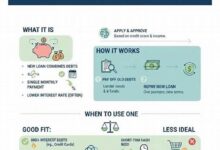
Comparing interest rates involves more than just looking for the lowest number. It’s about examining the complete package offered by the lender. Some lenders might offer lower interest rates but compensate with higher fees, making the overall cost higher than anticipated. Conversely, a higher interest rate with minimal fees might be more economical over time. Therefore, when learning how to compare personal loan rates and fees, take a holistic approach, evaluating both rates and associated charges in context to find the most cost-effective solution for your financial situation.
Key Factors to Consider
1. APR Comprehension: Knowing the APR is crucial when understanding how to compare personal loan rates and fees. It provides a comprehensive figure that includes interest and additional charges.
2. Loan Terms Evaluation: Look at different loan tenures. A shorter tenure might have higher monthly payments but lesser overall interest, affecting your fee comparisons.
3. Loan Flexibility: Evaluate the flexibility in loan terms and conditions. Flexibility may include features like extended grace periods or options for changing payment schedules.
4. Repayment Terms: Discover whether early repayments incur fees. This aspect is critical when strategizing how to compare personal loan rates and fees effectively.
5. Lender Reputation: Lastly, consider the lender’s reputation. A reputable lender ensures trustworthiness and reliability, significant factors in the loan selection process.
Analyzing Fees Beyond the Interest Rate
When exploring how to compare personal loan rates and fees, a common pitfall is neglecting the fees associated with the loan. These include origination fees, which are charged for processing the loan, and prepayment penalties, imposed if you decide to pay off your loan early. Additionally, some lenders may have late payment fees, which can add to the overall cost if you’re unable to meet a payment deadline. Analyzing these fees helps predict the total expenditure of securing and repaying a personal loan.
Taking into account these different fees empowers borrowers to make better decisions by highlighting potential cost centers in the loan agreement. Some fees might be negotiable, offering room for reducing your expenses. Therefore, always ask the lender for a detailed breakdown of fees before agreement. This inquiry is a crucial step in understanding how to compare personal loan rates and fees, helping avoid any surprises that could hinder your financial plans.
How Does Credit Score Impact Comparisons?
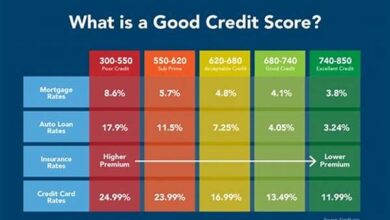
Your credit score significantly affects how to compare personal loan rates and fees, as lenders often use it to determine the interest rate offered. A higher credit score usually results in more favorable rates and terms, while a lower score may lead to higher costs. Consequently, understanding your credit standing provides a realistic starting point for comparisons.
Sometimes, even with a lower credit score, there are strategies to improve your standing before applying for a loan, such as paying off outstanding debts or disputing inaccuracies on your credit report. By enhancing your credit profile, you can access better terms and rates, giving you more leverage when learning how to compare personal loan rates and fees to find the most advantageous options available.
Navigating Lender Offers and Promotions
Lenders often present enticing offers and promotions, which can complicate how to compare personal loan rates and fees. These can include introductory rates or exclusive deals for online applications. While these promotions can be beneficial, they might come with hidden terms that increase costs in the long term, so thorough examination is essential.
When evaluating these offers, focus on the terms beyond the headline rates or special features. Consider whether these promotions fit into your long-term financial strategy and whether they modify the underlying costs. By maintaining a critical eye, you avoid falling for flashy deals and instead focus on selecting options that align with your financial goals. Investing time in understanding these aspects aids in effectively learning how to compare personal loan rates and fees comprehensively, ensuring financial health and stability.
Conclusion: Mastering the Comparison Process
Grasping how to compare personal loan rates and fees is an invaluable skill in financial literacy. It necessitates attention to detail and a willingness to delve into facts beyond surface-level figures. By considering factors such as interest rates, associated fees, your credit score, and lender reliability, you optimize your borrowing experience.
Empowered with knowledge and critical evaluation skills, borrowers can confidently navigate the plethora of options, making decisions that are financially sound and personalized to their circumstances. This approach facilitates informed choices, fostering long-term financial success and minimizing borrowing costs. Understanding how to compare personal loan rates and fees holistically ensures that borrowers are not only well-informed but also financially prudent, leveraging opportunities that align with their monetary objectives.