In the world of personal finance, understanding how personal loan interest rates work is crucial for making informed borrowing decisions. Interest rates are a foundational aspect of any loan agreement and can significantly impact the total amount you will repay. This guide aims to delve into the intricacies of personal loan interest rates, providing you with a clear, trustworthy understanding that can assist in planning and managing your finances effectively.
The Basics of How Personal Loan Interest Rates Work
When you apply for a personal loan, the interest rate is one of the first things you should scrutinize. It represents the cost of borrowing the money and is a percentage of the principal amount. Typically, personal loan interest rates can be either fixed or variable. A fixed interest rate remains constant throughout the term of the loan, offering predictability in your monthly repayments. In contrast, a variable rate can fluctuate based on market conditions, which may lead to lower payments if rates decrease, or higher payments if they rise. Understanding how personal loan interest rates work helps you evaluate the long-term cost of borrowing and choose the best option for your financial situation. Factors such as your credit score, the loan amount, and the repayment term can influence the rate a lender offers. Therefore, it’s vital to compare different lenders and their rate offerings before making a decision.





Key Factors Influencing How Personal Loan Interest Rates Work
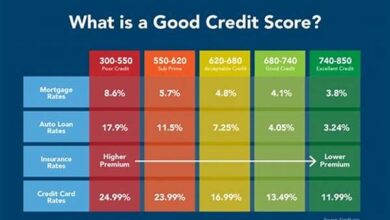
1. Credit Score: Your credit score is a critical factor in determining how personal loan interest rates work. Higher scores typically result in lower interest rates, as they indicate a lower risk to lenders.
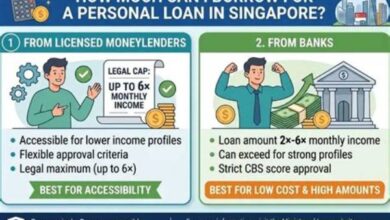
2. Loan Amount: The amount you wish to borrow can affect the interest rate. Larger loans might come with higher rates due to the increased risk for the lender.
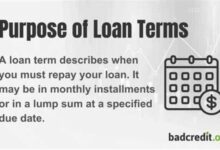
3. Loan Term: The duration of the loan plays a significant role in rate determination. Longer terms may have higher rates, affecting how personal loan interest rates work.
4. Lender’s Risk Assessment: Lenders evaluate their risk when issuing loans, affecting how personal loan interest rates work. Riskier profiles may incur higher rates.
5. Economic Conditions: Central bank rates and economic conditions can impact how personal loan interest rates work, influencing whether rates are generally high or low.
Different Types of How Personal Loan Interest Rates Work
Personal loan interest rates can typically fall under two categories: fixed and variable. Fixed rates provide a consistent monthly payment, making budgeting easier. They are often preferred by borrowers who value predictability, despite potentially higher upfront rates. On the other hand, variable rates are tied to market index changes, meaning payments can fluctuate over time. While this can lead to initial savings if rates are low, it’s essential to consider the possibility of increasing rates in the future. Understanding these distinctions is crucial when considering how personal loan interest rates work, as the choice between a fixed or variable rate can have long-term financial implications.
Analyzing How Personal Loan Interest Rates Work
Understanding the complexity of how personal loan interest rates work requires an exploration of multiple components. First, you should consider the loan’s Annual Percentage Rate (APR), which reflects the total cost of borrowing, including interest and any associated fees. Secondly, examining the lender’s terms can provide insights into prepayment penalties or hidden charges. It’s also wise to understand how the amortization schedule affects your payments over the loan’s life, highlighting the impact of interest costs. Moreover, leveraging technology to utilize loan calculators or consulting financial advisors can offer personalized insights into how personal loan interest rates work, helping you make more informed borrowing decisions.
How Personal Loan Interest Rates Work: Navigating Through Loan Offers
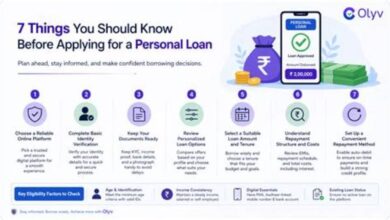
Navigating through various loan offers requires diligence and financial acumen. Start by evaluating offers based on the interest rate and terms beyond the initial figures presented. While a low rate is attractive, it’s vital to dissect the fine print for any contingent costs that may apply, such as early repayment fees or mandatory insurance products. Understanding how personal loan interest rates work involves not only comparing rates but also assessing your own financial readiness to manage the repayments comfortably. Seeking advice from financial consultants or leveraging online comparison tools can further aid in understanding and choosing the best loan offer based on how personal loan interest rates work and their impact on your personal finances.
The Role of Creditworthiness in How Personal Loan Interest Rates Work
Creditworthiness plays a pivotal role in shaping how personal loan interest rates work. Lenders scrutinize your credit history to assess the likelihood of repayment, with a robust credit report often unlocking more favorable rates. It’s important to regularly check your credit report for errors and take steps to improve your score, such as paying down current debts and ensuring all bills are paid on time. By understanding the influence of your credit score on interest rates, you become empowered in the loan negotiation process, potentially saving thousands in interest over the life of the loan.
Conclusion: Mastering How Personal Loan Interest Rates Work
In summary, mastering how personal loan interest rates work necessitates a comprehensive understanding of the factors influencing rates, including loan types, terms, and personal financial standing. With knowledge comes the power to negotiate better terms and make sound financial decisions. Whether you need funds for home improvement, debt consolidation, or unexpected expenses, the terms of the personal loan you choose will have long-lasting financial implications. Therefore, investing time in understanding how personal loan interest rates work can lead to substantial savings and a more secure financial future. Stay informed, compare offers diligently, and consider professional advice when navigating the loan landscape.