Defense and national security aren’t just about tanks and missiles anymore. With the digital age in full swing, the game has changed. Enter biometric intelligence systems—a modern solution to age-old problems. They’re like the cool new gadgets in a spy movie, but on a larger, more crucial scale. From fingerprint scans to facial recognition, these systems help in identifying threats quickly and accurately. Let’s break it down and see how they work to keep the world safe.
The Science Behind Biometric Systems
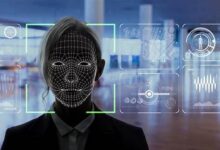
Biometric intelligence systems for defense national security are like the secret sauce in maintaining a nation’s safety. Think of them as your phone’s face ID but on a whole different level. They’re designed to recognize unique biological patterns—like fingerprint ridges, iris patterns, or even the way you walk. By collecting and analyzing this data, these systems create a database that helps spot any unwanted intrusions. So, when Jason Bourne tries to sneak in? Nope, not today. These systems ensure that only authorized personnel penetrate secured environments, keeping threats at bay.





Perks of Going Biometric
1. Speedy Identification: Biometric intelligence systems for defense national security instantly match data, saving time during critical security checks.
2. Accuracy that Slaps: With their precision, false negatives (or positives) are kept at a minimum. It’s like having an eagle eye on everything.
3. Unmatched Security: Traditional IDs can be faked, but good luck faking DNA! These systems use traits that are hard to duplicate.
4. Cost-Effective in the Long Run: Say goodbye to physical security tags. Once set up, these systems run efficiently with minimal upkeep.
5. User-Friendly Interfaces: Today’s biometric systems are pretty intuitive, making it easier for defense staff to manage them.
Tech It Up: The Biometric Evolution
As tech keeps evolving, so do biometric intelligence systems for defense national security. They aren’t just limited to fingerprints or iris scans anymore. We’re talking voice recognition, heartbeat analysis, and even body odor profiling. Yeah, really. These advancements mean that unauthorized entries are way less likely. The beauty of these systems is that they adapt and grow with technological advancements, making them more resilient against breaches. In this fast-paced world, it’s crucial to stay one step ahead, and thankfully, these systems are built to do just that.
Why Biometric Is the Way to Go
When we talk national security, biometric intelligence systems for defense are turning heads, and for a good reason. Ten facts laid out quick and slick: they enhance security measures; reduce human error; work seamlessly with existing tech; offer 24/7 operation; secure borders better; create databases for repeat offenders; improve facial recognition tech daily; eliminate outdated methods like swipe cards; reduce fraudulent activities; and save taxpayer money. In short, they’re revolutionary.
Wrapping Your Head Around It
The initiative to integrate biometric intelligence systems for defense national security is not just a trend; it’s a necessity. These systems make the world a slightly safer and smarter place by merging sophisticated tech with traditional methods. They provide an edge to defense forces worldwide, protecting assets and people diligently. In our rapidly advancing digital era, not embracing biometric solutions would be like choosing a flip phone over a smartphone—practically unthinkable.
Everyday Life Meets Biometric Tech
Biometric intelligence systems for defense national security aren’t just in the realm of defense anymore; they’ve dipped into everyday life too. From airports using facial recognition for check-ins to smartphones unlocking with a glance, it’s clear that these systems are here to stay. The integration of this tech into daily tasks shows the public’s growing trust and reliance on biometric systems. Who would’ve thought securing a nation or simply unlocking a phone would prioritize the same tech? It’s wild, but it’s true.
Final Thoughts on Biometrics
To sum it up, biometric intelligence systems for defense national security are the unsung heroes in our ever-evolving tech landscape. They offer accuracy and efficiency, turning security protocols into seamless operations. Their widespread adoption speaks volumes about their reliability and essential role in modern security. As threats become smarter, so too must our defenses. Biometrics ensure we’re equipped to handle what comes next, creating a safer world for us all.