In today’s world, technology plays a significant role in maintaining security and order. Facial recognition surveillance for government security programs is one of those high-tech tools that’s changing the game. But what does that really mean, and how does it work? Let’s dive in and find out.
Understanding the Basics: A New Era of Security
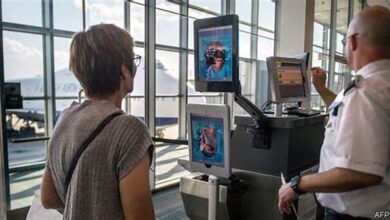
Facial recognition surveillance for government security programs is like something straight out of a sci-fi movie, but it’s very real. This tech uses unique facial features to identify or verify a person’s identity. Imagine walking through an airport and instead of showing your ID, a quick scan of your face confirms who you are. Pretty neat, right? Governments all over the globe are jumping on this bandwagon because it’s fast and efficient. But beyond the ease of use, it’s about beefing up security and keeping tabs on things in a much slicker way. With this system, identifying potential threats becomes swifter, allowing authorities more agility in responding to incidents. But like any other technology, there are concerns, especially about privacy and misuse. Ah, the perks and quirks of the digital age!






Five Quick Facts: Why It’s a Big Deal
1. Speed Matters: Facial recognition surveillance for government security programs can scan thousands of faces per second. No more long lines!
2. Accuracy Counts: Advanced algorithms mean fewer mistakes in identifying people. It’s all about precision.
3. Global Trendsetter: Countries everywhere are using this tech, each tweaking it for their specific needs.
4. Crime Fighter: From catching bad guys to finding missing persons, it’s a multitasking superstar.
5. Privacy Talks: There’s an ongoing debate on how much data is too much data.
The Upside for Governments
Facial recognition surveillance for government security programs is not just about high-tech policing. Governments see it as a way to safeguard public spaces better. Busiest spots like airports and stadiums become easier to manage. It acts like an extra pair of eyes that never gets tired or blinks. Imagine how powerful that is! By creating a network of facial recognition systems, governments can feel one step ahead in ensuring safety. Some say it’s like shifting gears from a vintage car to a sports car—everything’s faster and more controlled. This technology gives authorities a new level of security vigilance they didn’t have before. Although keeping security airtight is crucial, balancing it with citizens’ privacy and trust is an ongoing challenge. So, the trick lies in using it wisely.
The Not-So-Pretty Side of the Story
However, with all the flash and hype surrounding facial recognition surveillance for government security programs, there are reasons to pump the brakes. Privacy champions wave the red flag, highlighting potential overreach. Fear of constant surveillance turning into Big Brother is not unfounded. Data collected can be misused if not handled responsibly. Governments using it must deal with concerns and set transparent, strict guidelines. Another issue is the tech is not perfect yet—misidentifications can occur, raising serious ethical concerns. It’s like the internet; brilliant when used right, a nightmare when misused. As Uncle Ben once said, “With great power comes great responsibility.” More than ever, there’s a need for rules that ensure it’s used ethically and fairly.
Behind the Scenes: How It’s Done
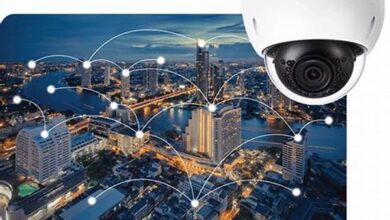
Facial recognition surveillance for government security programs isn’t just some face-scanning magic—behind it lies intricate technology. Cameras capture images in real-time, which are then cross-referenced with databases. Algorithms work their wizardry, picking out unique features like the distance between the eyes or shape of the jawline. It’s like a super-advanced game of match-the-faces, but using insane amounts of data. And boom, an ID is either confirmed or flagged. Though complex, when it functions smoothly, it operates seamlessly, like a hidden hand maintaining order.
Real-Life Scenarios: From the Street to High-Level Meetings
Whether it’s scanning for suspicious activity during a big public event or verifying IDs at secure buildings, facial recognition has its place. Facial recognition surveillance for government security programs operates in diverse environments, adapting fluidly to every need. Picture this: a bustling city square, where the system keeps tabs on potential threats while everyone else enjoys their day. At high-level meetings, ensuring only authorized personnel are present is key, and this technology helps ensure that. Its versatility is what makes it a security cornerstone.
Wrapping It Up: The Future Is Now
So, what’s the takeaway here? Facial recognition surveillance for government security programs is undoubtedly a game-changer. It provides a broader security net and enhances public safety efforts. Like all tech, it requires careful handling and a good dose of responsibility. While the tech opens up new possibilities, ensuring it doesn’t infringe on personal freedoms is essential. It’s not just about keeping up with the times or using the coolest tech; it’s about finding that sweet spot where safety, trust, and respect for privacy coexist.