Hey there! If you’re diving into the world of defense projects, you’ve probably stumbled upon the myriad of rules and policies that keep everything legit and above board. Yep, we’re talking about secure defense project procurement regulations. These are the guidelines that make sure everything runs smoothly, efficiently, and, most importantly, securely. Buckle up, because we’re about to break it down in a way that’s straightforward and easy to grasp!
Why Secure Defense Procurement Rules Matter
Alright, let’s kick things off with why these regulations are even a thing. Imagine if anyone could just hop in and start handling defense projects without any checks. Scary, right? Secure defense project procurement regulations ensure that only the right folks—those who have been vetted—get to manage these critical tasks. These rules are there to prevent any shady business or slip-ups that could compromise national security. Plus, they make sure everything is done transparently so that there’s no funny business with funds or resources. Essentially, these regulations are the backbone of trust in defense dealings.






These guidelines aren’t just about keeping things safe and secure. They also foster competition, ensuring the best companies get a shot at handling these important projects. It levels the playing field, giving everyone a fair chance to contribute while maintaining strict oversight. So, next time you hear about secure defense project procurement regulations, remember they’re there to keep the integrity of defense projects intact while promoting fairness in the industry.
In essence, secure defense project procurement regulations are like the rulebook ensuring everyone plays fair and square. They’re written with the express purpose of safeguarding the nation and enhancing project outcomes. With these rules in place, projects are managed efficiently, transparently, and securely, ensuring no resources go to waste.
Key Elements of Defense Procurement Regulations
1. Certification and Approval: Only certified professionals are allowed to handle defense projects. This ensures that the right skills and knowledge are applied—critical for secure defense project procurement regulations.
2. Clear Communication Channels: Open and transparent communication is crucial. It’s all about keeping everyone in the loop and avoiding any mix-ups in the secure defense project procurement regulations process.
3. Budget Integrity: Keeping a tight check on budgets prevents overspending or misallocation of funds. This is a pivotal part of secure defense project procurement regulations.
4. Quality Assurance: Products and services must meet specific standards, ensuring they’re up to par. Secure defense project procurement regulations help maintain this quality.
5. Security Protocols: Strict security measures must be in place to prevent unauthorized access. It’s a cornerstone of secure defense project procurement regulations.
Navigating Through Procurement Challenges
So, what happens when you hit a snag in the procurement process? Challenges are inevitable, but secure defense project procurement regulations are designed to tackle these head-on. Whether it’s issues with compliance or dealing with budget constraints, these regulations provide a framework for resolution. Having clear rules and guidelines means that there’s always a solution around the corner.
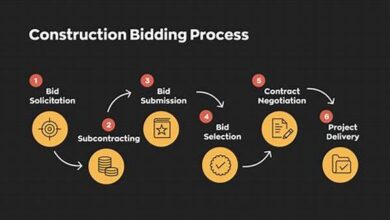
Ever been stuck in a bidding war or faced a delay due to improper documentation? That’s where secure defense project procurement regulations come to the rescue. They ensure that everyone adheres to the same protocols, minimizing delays and ensuring fair play. With these rules, even the stickiest situations are easier to navigate.
Ultimately, secure defense project procurement regulations act as a safety net, providing the necessary support to address and resolve challenges effectively. They help ensure the smooth flow of operations and the successful completion of projects without compromising security or quality standards.
Steps to Comply with Procurement Regulations
Compliance isn’t just a checkbox; it’s a continuous effort molded into the workflow of defense projects. Secure defense project procurement regulations require ongoing vigilance and adjustments. Here are some handy tips to keep in line with these regulations:
Impact of Non-Compliance
Alright, here’s the scoop on what happens if you decide to ignore these rules. Non-compliance with secure defense project procurement regulations can lead to some major penalties. We’re talking heavy fines, loss of contracts, and even legal actions. Ignoring these regulations is pretty much like shooting yourself in the foot, jeopardizing both project outcomes and company reputation.
Worse scenarios include breaches of national security, resulting in severe consequences that transcend monetary fines. The safeguards provided by secure defense project procurement regulations ensure the risks associated with non-compliance are minimized, hence it’s crucial to keep them at the forefront of project planning.
Ultimately, secure defense project procurement regulations are not just there to inconvenience—it’s about safeguarding everyone involved. Compliance ensures smooth operations, avoiding unnecessary headaches down the line.
The Future of Defense Procurement Regulations
As tech evolves and global landscapes shift, so do secure defense project procurement regulations. They’re not static—they evolve to meet the changing defense environment’s demands. Innovations in technology are forcing regulations to adopt speedier, more agile frameworks that can keep pace with rapid advancements.
Expect regulations to lean towards more digital solutions, with an emphasis on transparency and cybersecurity. As cyber threats grow more complex, secure defense project procurement regulations will increasingly focus on safeguarding data and systems. The idea here is adapting and thriving in a fast-evolving world while continuing to uphold the core principles of security and efficiency.
In the end, staying agile and informed is key to successfully navigating future shifts in secure defense project procurement regulations. Embracing change, while maintaining the essence of these regulations, will drive innovation and progression within the sector.