Hey there! Ever wonder how the government decides which companies get the big bucks to supply weapon systems? It’s not as cloak-and-dagger as you might think. It’s a pretty complex process, but let’s break it down in everyday language. Whether you’re into military tech or just curious about where your tax dollars are going, this dive into government weapons systems contracts and how they’re awarded will give you the lowdown.
The Basics of Government Weapons Systems Contracts
So, basically, government weapons systems contracts are how the military gets its hands on the latest tech and gear. It’s not like a simple shopping trip, though. The process is super detailed and involves different phases. First, the government figures out what kind of bang they need for their buck. Then, the game’s on as companies pitch their best ideas or solutions. It’s a bit like a talent show, but with missiles and aircraft. The chosen ones get to work closely with the government, tweaking their products to perfection. It’s all about meeting the specs and delivering on time. By the end of it, the government knows exactly what they’re getting, and the companies hope they’ve landed a repeat gig.






Key Phases in the Contract Awarding Process
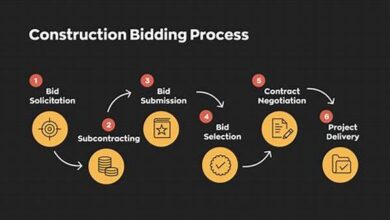
1. Request for Proposal (RFP): This is the official shout-out from the government saying, “Hey, we need some cool tech!” Companies respond with their grand ideas.
2. Proposal Evaluation: Government folks review the proposals. They look at cost, tech specs, and how soon the goods can be delivered.
3. Negotiation: It’s all about finding common ground. The government and the company chat about details like pricing and timelines.
4. Award Decision: This is the big moment where a company gets the green light and starts popping the champagne.
5. Contract Management: Once everyone’s on the same page, the real work begins. Companies must meet all the contract’s terms for the project to be a success.
Challenges in Awarding Contracts
Getting government weapons systems contracts isn’t a walk in the park. First off, the competition is fierce; loads of companies are gunning for the same prize. Then there’s the red tape—government rules and regulations that companies have to navigate. And let’s not forget the tech hurdles. Companies need to show they’re at the cutting edge of innovation. Oh, and did we mention the political aspect? Sometimes decisions get caught up in politics, making the whole government weapons systems contracts how they’re awarded process even more interesting and unpredictable.
Common Misconceptions
Some folks think these contracts go to whoever has the flashiest tech or the cheapest bid, but that’s not the whole picture. The truth about government weapons systems contracts and how they’re awarded is more about meeting a specific need with precision and reliability. It’s often thought that inside connections are all you need, but in reality, companies must still meet tough criteria. People also assume that once a contract’s awarded, it’s set in stone, but contracts require ongoing management and reevaluation.
Technological Impact on Weapon Systems Contracts
In today’s digital world, tech plays a massive role in government weapons systems contracts. Advanced AI and cyber solutions are becoming game-changers. Companies investing heavily in R&D often have an edge. They must prove they’re at the forefront of tech to snag a deal. The government’s always on the lookout for innovative solutions that can provide new capabilities on the battlefield. And as technology evolves, so too does the process for government weapons systems contracts and how they’re awarded, making it ever more critical for companies to stay ahead of the curve.
Closing Thoughts on the Contract Process
Navigating government weapons systems contracts isn’t just about submitting big numbers and crossing fingers. It’s an intricate dance of tech innovation, negotiations, and strategic partnerships. The journey from proposal to execution requires a blend of cutting-edge ideas and savvy business acumen. How these contracts are awarded has a huge impact on national defense capabilities, making it crucial for the government to choose wisely. While the process might sound lengthy and complicated, it’s essential for ensuring the military gets what it needs to keep the nation safe.
The Human Element in Contract Awards
Let’s not forget the human side of government weapons systems contracts. Behind every contract awarded, there’s a team of dedicated professionals working tirelessly. Engineers, project managers, and analysts all play crucial roles. Their expertise ensures the armed forces stay equipped with the best tools. The human element helps balance the technical and logistical challenges of contract fulfillment. In the end, it’s not just about mechanical systems; it’s also about people coming together to achieve a common goal. That’s what makes the process of government weapons systems contracts and how they’re awarded so fascinating and essential.