In today’s complex financial landscape, securing the right personal loan can be a critical decision to help balance your financial needs. Crafting a detailed plan on how to choose the right personal loan for your financial situation is essential to avoid pitfalls such as high interest rates or unfavorable terms. With an overwhelming array of options available, making an informed decision requires understanding your financial standing, assessing loan terms, and evaluating various lenders. This guide aims to provide comprehensive insights, empowering you with the knowledge necessary to select the personal loan that best aligns with your financial goals and needs.
Understanding Your Financial Needs and Goals
When looking at how to choose the right personal loan for your financial situation, start by analyzing your financial needs and setting clear goals. This involves an honest assessment of your income, expenses, and any existing debts. Determine whether you need a loan for consolidating debt, handling emergencies, funding a major purchase, or other financial undertakings. Understanding your financial objectives will provide clarity and ensure that the loan you select aligns with your long-term goals. Additionally, scrutinize your budget to decide on a sustainable monthly payment plan. A clear grasp on these factors ensures that the chosen loan aids in reaching your financial objectives without undue strain.





Evaluating Loan Options and Lenders
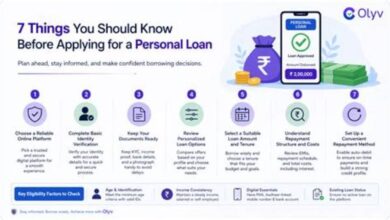
1. Thoroughly research and compare various loan products to find options that suit your specific needs. Consider interest rates, tenure, and fees.
2. Directly engage with multiple lenders to comprehend the terms they offer, ensuring you have all the necessary information on how to choose the right personal loan for your financial situation.
3. Consider online lenders that often provide competitive rates and streamlined processes, contrasting traditional bank offerings.
4. Utilize online calculators and tools to discern potential monthly payments under different scenarios, helping you understand affordability and repayment timelines.
5. Seek testimonials or reviews from current or past loan clients to gauge customer satisfaction and any potential red flags associated with the lender.
The Importance of Credit Scores in Loan Approval
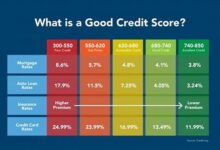
Understanding your credit score is a pivotal step in how to choose the right personal loan for your financial situation. Your credit score is a major factor that lenders consider when determining interest rates and loan approval likelihood. Higher scores typically grant access to lower rates and better terms. Therefore, if your score requires improvement, focus on settling outstanding debts and ensuring timely payments on all accounts prior to submitting loan applications. Regularly check your credit report for errors and resolve any discrepancies to boost your score. A healthy credit profile can significantly improve your loan options and aid in achieving favorable loan conditions.
Practical Steps to Secure the Best Loan
1. Set Clear Goals: Clearly outline the purpose of your loan and how it fits within your broader financial plan.
2. Assess Affordability: Ensure the monthly payments fit comfortably within your budget to prevent future financial strain.
3. Compare Lenders: Look beyond interest rates; consider fees, flexibility in terms, and customer service.
4. Read the Fine Print: Pay attention to potential hidden fees and clauses that may impact costs or repayment schedules.
5. Seek Professional Guidance: If overwhelmed, consult a financial advisor to help you select and manage the right loan effectively.
6. Plan Repayments: Create a realistic repayment plan to ensure timely payments and avoid penalties.
7. Monitor Market Trends: Stay informed about changes in interest rates and loan products to refinance if better terms become available.
8. Secure Pre-Approval: Enhances your credibility with lenders and gives a clearer picture of likely borrowing terms.
9. Maintain Open Communication with Lenders: Be proactive in discussing any challenges in terms to find amicable resolutions.
10. Document Everything: Keep a record of all correspondences and agreements for future reference and accountability.
Weighing Short-term vs Long-term Loan Benefits
An essential factor in how to choose the right personal loan for your financial situation involves evaluating short-term versus long-term benefits and consequences. Short-term loans typically have higher monthly payments but incur less overall interest, potentially saving money over time. In contrast, long-term loans distribute payments over extended periods, resulting in lower monthly costs but often more interest accrued. Assess your financial position and cash flow to determine which scenario aligns better with your objectives. Consider how each loan type may impact your lifestyle and long-term investment goals. Balancing immediate needs with future financial security is crucial for making informed decisions.
Common Pitfalls to Avoid
As you learn how to choose the right personal loan for your financial situation, avoid pitfalls such as missing the fine print in loan agreements or underestimating the importance of maintaining a good credit score. Steer clear of loans with prohibitive origination fees or those advertised with “too good to be true” incentives that may conceal high costs down the line. Furthermore, bypass automatic refinancing offers unless well-analyzed, as they might lead to prolonged debt cycles. Understanding and sidestepping these common mistakes will position you to secure a sound financial future and protect against unnecessary economic strain.
Conclusion: Making Informed Loan Decisions
In conclusion, knowing how to choose the right personal loan for your financial situation is an essential skill for navigating today’s financial world. Engaging in thorough research, understanding lender terms, and maintaining financial discipline play vital roles in this process. Start by identifying your loan needs, consulting diverse lenders, and ensuring alignment between loan terms and your financial goals. Being proactive and informed throughout will lead to more strategic loan choices and foster long-term financial health. Remember, it’s not just about solving an immediate need, but ensuring that the loan fortifies your financial foundation for years to come.