When contemplating applying for a personal loan, it’s crucial to understand the borrowing limits associated with this financial product. Various factors influence how much you can borrow with a personal loan, including your financial health, credit score, income, and the policies of the lender. Personal loans can offer significant financial benefits, from debt consolidation to funding major purchases or unexpected expenses. However, understanding the borrowing capacity is a vital step toward making informed financial decisions and ensuring responsible borrowing practices. Here, we will delve deeply into the various aspects that determine personal loan limits to provide you with insights and guidance.
Understanding Personal Loan Limits
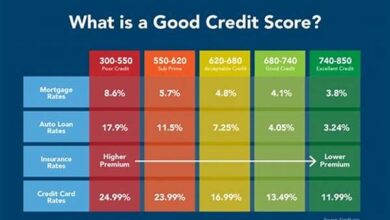
Determining how much you can borrow with a personal loan is a nuanced process, influenced by several critical factors. One of the primary considerations is your credit score, which provides lenders with an overview of your creditworthiness. Those with high credit scores often access larger loan amounts due to their demonstrated history of reliable repayments. However, credit score alone doesn’t paint the full picture. Your income, current debts, and loan duration also play essential roles. Lenders will assess your debt-to-income ratio to ensure that you can manage the monthly payments comfortably. In some instances, lenders might offer secured personal loans, where you can borrow against a valuable asset, potentially increasing your borrowing limit.



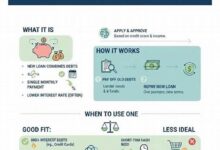

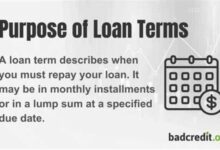
Different lenders have varying maximum loan limits for personal loans, often ranging from $1,000 to $100,000. However, this range doesn’t mean every applicant will qualify for these amounts. The exact amount you’re eligible for will depend on your unique financial profile and the lending institution’s criteria. Another aspect influencing how much you can borrow with a personal loan is the purpose of the loan itself. For example, some lenders might offer specialized loans for home improvements or educational purposes, which could impact the borrowing threshold. Understanding these elements will help you prepare a more effective loan application, enhancing your chances of securing the desired funding.
Factors Affecting Your Borrowing Limit
1. Credit Score: Your credit score is a crucial determinant in how much you can borrow with a personal loan. A higher score often translates to higher borrowing limits.
2. Income Stability: Consistent and substantial income can significantly impact your borrowing capacity. Lenders assess income to ensure you can manage loan repayments.
3. Debt-to-Income Ratio: This ratio measures your existing debt relative to your income. A lower ratio improves your chances of higher borrowing limits.
4. Lender Policies: Each lender has specific policies and criteria. Familiarizing yourself with these can help set realistic borrowing expectations.
5. Loan Purpose: The intent behind the loan can sometimes affect the amount offered. Certain purposes might make lenders more inclined to increase limits.
Choosing the Right Lender for Your Needs
Selecting the right lender is a strategic step in determining how much you can borrow with a personal loan. Lenders differ significantly in terms of their criteria, interest rates, and loan terms. Begin by conducting thorough research to compare lenders, focusing on those offering competitive rates and favorable loan terms that align with your financial situation. Consider both traditional banks and online lenders, as the latter often provides more flexible options and quicker approval processes. It’s crucial to review customer testimonials and ratings to gauge lender reliability. Don’t hesitate to engage directly with lenders to discuss specifics, removing any ambiguity about borrowing limits and ensuring an informed decision-making process.
Another vital consideration is the prequalification process, which offers potential borrowers a glimpse of possible loan amounts and terms without affecting their credit score. Utilizing this feature can help narrow down your options effectively. Additionally, understanding each lender’s fees, such as origination fees or prepayment penalties, is essential. While these may seem minor, they can significantly impact the overall cost of your loan. By meticulously evaluating these elements, you can select a lender that not only meets your borrowing needs but also safeguards your financial health.
Evaluating the Cost of Borrowing
The cost of borrowing goes beyond just understanding how much you can borrow with a personal loan; it involves analyzing the interest rates and other associated fees. Interest rates can be fixed or variable, with fixed rates offering stability and predictability in monthly payments. Variable rates, on the other hand, may start lower but can fluctuate over time, affecting the overall cost. Additionally, consider the loan term, as longer terms might decrease monthly payments but increase the total interest paid.
Be attentive to fees that might be charged throughout the loan period. These can include origination fees, late payment penalties, and sometimes even an application fee. Early payoff penalties are another consideration—these charges apply if you pay off your loan ahead of schedule, potentially diminishing savings. Calculating the annual percentage rate (APR) will provide a comprehensive view of the loan’s true cost, incorporating both the interest rate and fees. Engaging in such thorough evaluations ensures that you can manage the financial commitments and select a loan that aligns with your budget and financial goals.
Tips for Maximizing Borrowing Potential
1. Improve Your Credit Score: A higher score can unlock better terms and higher borrowing limits. Focus on timely payments and maintaining low credit utilization.
2. Increase Income: Before applying, look for ways to boost your income. This can improve your debt-to-income ratio, making you a more appealing candidate to lenders.
3. Refinance Existing Debts: Consolidating or refinancing current debts could lower your monthly obligations, potentially increasing your borrowing capacity.
4. Opt for Secured Loans: If feasible, consider securing the loan against an asset, which can lead to larger loan offerings.
5. Research Thoroughly: Understanding different lender offerings can help you find institutions willing to offer higher limits. Don’t settle for the first lender you explore.
6. Avoid Red Flags: Ensure your credit report is accurate and dispute any discrepancies. Errors can unnecessarily lower your creditworthiness, affecting loan amounts.
7. Negotiate Loan Terms: Engage with the lender and express your financial needs comprehensively. Demonstrating initiative may sometimes lead to favorable borrow limits.
8. Understand Loan Policies: Familiarize yourself with policies that might impact loan amounts, such as the purpose or collateral options.
9. Consider a Co-signer: Having a co-signer with strong financial credentials can enhance your credibility and possibly elevate borrowing limits.
10. Enhance Financial Documentation: Present comprehensive and updated financial records. Transparency can instill confidence in lenders about your repayment capability.
Understanding Loan Application Processes
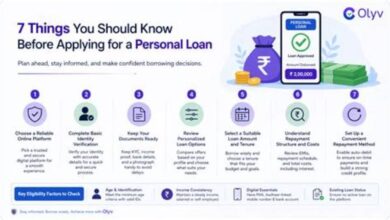
Understanding loan processes is critical when examining how much you can borrow with a personal loan. The process typically begins with an application submission, where you’ll provide detailed financial information. Lenders will then conduct a thorough review, focusing on creditworthiness and financial stability. During this assessment, they will calculate your debt-to-income ratio, which can influence your loan amount eligibility.
After initial evaluations, lenders may offer a pre-approval, indicating potential loan terms, including borrowing limits. This phase doesn’t guarantee funding but provides insights into what’s likely available. Following this, you’ll receive a formal approval, with specific amounts, interest rates, and repayment terms outlined. It’s crucial to review these terms diligently, ensuring they align with your budget and repayment capacity. Completing the process involves signing a loan agreement, after which funds are disbursed, typically within a few business days. Throughout this process, maintaining clear communication with your lender can help address any uncertainties and optimize your loan arrangement.
Summary: Personal Loan Borrowing Basics
In summary, understanding how much can you borrow with a personal loan is a multifaceted process influenced by numerous elements. Creditworthiness remains a pivotal factor, impacting potential loan amounts and terms. Your income stability, debt-to-income ratio, and the specific lender’s policies also play critical roles in determining the borrowing ceiling. Different lenders offer various limits and terms, emphasizing the importance of thorough research to find a lender offering favorable conditions conducive to your financial goals.
Evaluating the costs associated with personal loans is equally vital—interest rates, fees, and loan terms all contribute to the total expenditure. Engaging in a comprehensive assessment of the financial implications ensures that you can manage the loan effectively, steering clear of financial stress. By understanding these elements, borrowers can navigate the personal loan landscape confidently, optimizing their financial strategies and aligning with future objectives. This knowledge not only prepares you for the immediate application process but also fosters sustainable financial health in the long term.