When faced with the decision of which personal loan to choose, you may find yourself deliberating between fixed and variable interest rates. Both have their unique features, benefits, and potential drawbacks, making it crucial to understand each option thoroughly to align with your financial goals. Understanding Fixed vs. Variable Personal Loans: Which Is Better? is an essential step in making an informed and financially sound decision. This article will guide you through the nuances of each loan type to help you determine which aligns best with your financial aspirations.
Understanding the Differences
When examining Fixed vs. Variable Personal Loans: Which Is Better?, the primary distinction lies in how the interest rate behaves over the life of the loan. Fixed-rate loans have a set interest rate that remains constant through the repayment period, providing predictability in monthly payments. These loans are often favored by individuals seeking stability and a straightforward budgeting process, as they eliminate the risk of fluctuating rates.



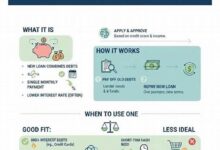

In contrast, variable-rate loans have an interest rate that can change periodically based on market conditions. This means that monthly payments may increase or decrease over time. While this may introduce a level of uncertainty, variable-rate loans might initially offer lower interest rates than their fixed counterparts, potentially resulting in lower initial costs. The choice in Fixed vs. Variable Personal Loans: Which Is Better? often hinges on weighing the predictability of fixed rates versus the potential savings with variable rates.
Ultimately, your decision should reflect your comfort with financial risk and your current and projected financial situation. By understanding the intricacies of Fixed vs. Variable Personal Loans: Which Is Better?, you pave the way for a tailored approach to borrowing that meets your specific needs.
Advantages of Fixed and Variable Rates
1. Predictability: Fixed-rate loans provide consistent monthly payments, making budgeting simpler and reducing financial stress, especially during times of economic uncertainty.
2. Initial Lower Rates: Variable-rate loans often start with lower interest rates, which can be appealing if you anticipate paying off the loan quickly or if you can tolerate potential rate increases.
3. Long-term Stability: With fixed rate loans, borrowers gain peace of mind knowing that their payments won’t unexpectedly rise, which is particularly beneficial for long-term financial planning.
4. Potential Savings: If market rates decrease, borrowers with variable-rate loans may benefit from reduced interest rates, leading to lower payments and interest over the loan’s term.
5. Flexibility: Variable-rate loans offer flexibility to adapt to changing market conditions, and may include options to switch to fixed rates or refinance when needed. By considering Fixed vs. Variable Personal Loans: Which Is Better?, you can better decide which loan type suits your financial goals.
Choosing the Right Loan for You
When deciding between Fixed vs. Variable Personal Loans: Which Is Better?, consider your financial priorities and risk tolerance. For those who prioritize stability and have fixed income streams, a fixed-rate loan is often more suitable. Its consistent payments are easier to predict and manage, maintaining peace of mind over long repayment periods.
Variable-rate loans, however, may appeal to individuals with greater financial flexibility who seek the potential for lower initial payments and possible savings if they can capitalize on favorable market conditions. Moreover, if there’s a possibility of substantial income growth in the future, a variable-rate loan might suit your capacity to manage possible payment increases.
In essence, choosing between Fixed vs. Variable Personal Loans: Which Is Better? is inherently a personal decision. Evaluating your financial health, future economic forecasts, and personal risk appetite will provide clarity in making the best choice for your circumstances.
Pros and Cons of Fixed and Variable Loans
Evaluating Fixed vs. Variable Personal Loans: Which Is Better? involves considering both advantages and disadvantages.
The assessment of Fixed vs. Variable Personal Loans: Which Is Better? requires weighing these factors to align with personal financial circumstances.
Detailed Analysis
When addressing Fixed vs. Variable Personal Loans: Which Is Better?, consider the broader implications. Fixed loans offer peace of mind through their predictable structure, a fact many align with their financial goals due to its inherent simplicity. Monthly payments remain consistent from start to finish, eliminating the anxiety associated with fluctuating financial commitments. This is particularly beneficial for individuals or families on a fixed budget, offering them a stable platform to manage finances efficiently.
Conversely, variable loans offer the potential for cost savings initially, with interest rates that are often lower than those of fixed-rate loans. However, the dynamic nature of these loans can be both a blessing and a curse, depending on market conditions. If interest rates rise significantly, the financial burden can increase unexpectedly. Thus, individuals contemplating variable loans must possess a degree of financial flexibility to accommodate potential rate hikes. The key in Fixed vs. Variable Personal Loans: Which Is Better? is determining how these fluctuating elements align with individual risk profiles and financial capacities.
Summary of Key Considerations
As you contemplate the choice between Fixed vs. Variable Personal Loans: Which Is Better?, it’s imperative to assess personal preferences and long-term financial strategies. A fixed-rate loan is typically preferable for those valuing stability and predictability, locking interest rates and payment amounts despite market changes. This can especially benefit those with fixed incomes or large financial commitments elsewhere, facilitating confidence in financial planning.
Meanwhile, if you foresee potential economic advantages like future interest rate drops or escalating income, a variable-rate loan might offer strategic benefits. Such loans allow flexibility, adjusting to economic shifts, and may potentially render lower overall costs if leveraged with thoughtful foresight. The decision surrounding Fixed vs. Variable Personal Loans: Which Is Better? hinges on individual factors, translating these financial nuances into powerful tools for future financial success. Ultimately, this exploration guides towards a loan that complements your unique financial trajectory.