Understanding how credit scores affect personal loan rates is crucial for anyone seeking financial assistance. Personal loans are a popular choice for financing various needs, from consolidating debt to funding major purchases. While numerous factors go into determining your loan terms, your credit score is among the most significant. This article provides a comprehensive overview of how credit scores impact personal loan rates, guiding you through the intricacies of credit scoring and helping you optimize your financial outcomes.
The Significance of Credit Scores in Loan Approval
Credit scores play a pivotal role in the loan approval process. Lenders use them to evaluate your creditworthiness, predicting the likelihood of loan repayment based on your financial history. A high credit score signifies responsible borrowing behavior, making you a less risky borrower in the eyes of financial institutions. When discussing how credit scores affect personal loan rates, it is essential to understand that these scores act as a financial fingerprint, influencing the rates and terms you receive.




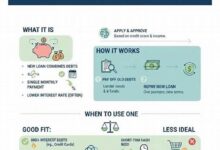

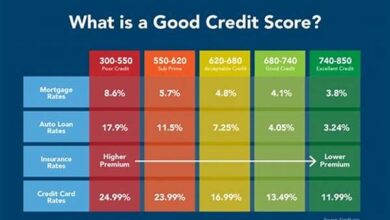
Typically, credit scores range from 300 to 850, with higher scores indicating better credit health. Excellent credit scores, usually above 750, can secure lower interest rates as they reflect a lower risk for lenders. Conversely, scores below 600 may result in higher interest rates or even denial of the loan application. Therefore, to navigate the financial landscape effectively, maintaining a healthy credit score is paramount for obtaining favorable loan terms.
Credit bureaus calculate scores based on several factors, including payment history, total debt, length of credit history, and types of credit used. Consistently making on-time payments and keeping balances low are proven strategies to enhance your score over time. By doing so, borrowers can enjoy the financial benefits of lower interest rates, ultimately saving money over the life of the loan.
Factors Influencing How Credit Scores Affect Personal Loan Rates
1. Credit History Length: The duration of your credit history can impact how credit scores affect personal loan rates. Lenders prefer long-standing credit relationships as they provide more comprehensive data to analyze borrowing behavior.
2. Credit Utilization Ratio: Keeping credit utilization below 30% is vital. High utilization can signal financial distress, negatively affecting how credit scores affect personal loan rates.
3. Payment History: On-time payments are crucial in determining how credit scores affect personal loan rates. Late or missed payments can sharply decrease scores, leading to unfavorable loan terms.
4. Credit Mix: Having a diverse mix of credit accounts, such as credit cards, mortgages, and installment loans, can positively influence how credit scores affect personal loan rates. It reflects a borrower’s ability to manage multiple forms of debt responsibly.
5. Recent Credit Inquiries: Multiple recent hard inquiries may suggest increased credit risk, impacting how credit scores affect personal loan rates. Spacing out applications over time can mitigate this effect.
Strategies to Improve Credit Scores for Better Loan Rates
Understanding how credit scores affect personal loan rates can guide borrowers in taking proactive steps to boost their scores. Firstly, ensure that payments are timely and consistent. Set up automatic payments to avoid missed deadlines, which can adversely affect your score. Additionally, paying more than the minimum due each month can help reduce overall debt and improve scores over time.
Second, scrutinize your credit report for inaccuracies. Erroneous entries can drag down your score, so dispute any discrepancies promptly with credit bureaus. This vigilance not only corrects potential errors but also demonstrates to lenders a proactive approach to managing credit, likely leading to better rates. Lastly, increase your credit limit strategically while maintaining the same spending level, which reduces your credit utilization ratio and leads to score improvements.
Another effective strategy is to limit the number of new credit accounts. Each application can slightly lower your score, so only seek additional credit when truly necessary. As you focus on these tactics, you will gradually notice an improvement in your credit score, enabling access to more competitive personal loan rates.
Common Misconceptions About Credit Scores and Loan Rates
It is a common misconception that checking your own credit report will negatively impact your score. When you check your credit, it is recorded as a “soft inquiry,” which does not affect your credit score or how credit scores affect personal loan rates. It is crucial to regularly review your credit report to ensure accuracy and maintain a healthy score.
Another misunderstanding is the belief that closing old credit accounts can improve your score. While managing fewer accounts might seem simpler, it can actually shorten your credit history, possibly harming your score. Keeping accounts active, even with minimal usage, can help maintain or improve your score over time.
Many individuals also believe improving a bad score is an instant process. In reality, building a positive credit history and how credit scores affect personal loan rates takes continuous effort over months or years. Discipline in managing credit and an understanding of credit scoring mechanisms are pivotal for long-term improvement.
How Lenders Decide on Interest Rates Based on Credit Scores
Lenders take into account various aspects of your credit score when deciding interest rates for personal loans. Primarily, they assess your payment history to understand the likelihood of future payments being on time. As this is a significant component of your credit score, any blemishes in this area can severely impact how credit scores affect personal loan rates offered to you.
Next, lenders evaluate your current level of debt. A borrower with high amounts of existing debt may appear riskier, leading to higher interest rates. Similarly, the length of your credit history plays a role; longer credit relationships suggest stability and reliability. Lenders also consider how many new credit accounts you have opened recently, as numerous new accounts could indicate financial distress or instability, affecting the rates offered.
Lastly, the type of credit accounts you hold influences how credit scores affect personal loan rates. A mix of revolving credit (like credit cards) and installment loans shows an ability to manage diverse debt types, often leading to more favorable terms. Therefore, a comprehensive understanding of these elements can provide insights into securing better interest rates from lenders.
Benefits of Understanding How Credit Scores Affect Personal Loan Rates
Understanding how credit scores affect personal loan rates empowers individuals to make informed financial decisions. By knowing the influence of credit scores, borrowers can strategize improvements, thereby accessing competitive interest rates. This knowledge helps in preparing financially for significant life events, such as buying a home or funding education, by allowing consumers to maximize their borrowing potential and minimize interest expenses.
Moreover, this understanding fosters better financial habits. As individuals learn which behaviors improve their scores, they become more disciplined in managing debts and obligations. For example, prioritizing timely payments and reducing credit card balances can quickly enhance credit profiles, paving the way for beneficial loan terms.
Finally, demystifying how credit scores affect personal loan rates eliminates anxiety during the loan application process. Confidence in one’s credit standing can streamline negotiations with lenders, offering better leverage to secure favorable terms. Consequently, this knowledge transforms potential borrowing challenges into opportunities for economic empowerment, fostering financial well-being and efficacy.
Conclusion: Navigating Personal Loans with Credit Knowledge
In summary, how credit scores affect personal loan rates cannot be overstated—they are integral to securing the most favorable financial outcomes. By understanding the factors impacting credit scores and implementing strategies for improvement, borrowers can significantly influence the rates and terms offered by lenders. Empowered with this knowledge, consumers can confidently navigate the financial landscape, utilizing personal loans as a resourceful tool for reaching personal and financial goals.
Applying this information, individuals are not only better prepared for loan negotiations but also develop healthier financial habits benefiting long-term economic prosperity. In today’s credit-driven world, maintaining awareness of how credit scores affect personal loan rates is indispensable for anyone looking to optimize their financial portfolio and secure the best possible loan arrangements.